7 Hidden Gems in Sept-Îles Every Local Should Explore

Île du Corossol Wildlife Refuge
Site historique de la Maison du Pêcheur
Réserve culturelle des Innus de Uashat mak Mani-Utenam
Plage de la Pointe de Moisie
Sentier l'Hibernal Winter Trail Network
Sept-Îles has more to offer than the iron ore port and the mall. This list covers seven overlooked spots—places locals drive past without stopping, gems hiding in plain sight. Whether you've lived here five years or fifty, there's something on this list you haven't experienced yet.
What's the Best Way to Experience Sept-Îles Without the Tourist Crowds?
Skip the usual waterfront photo op and head to the spots locals actually frequent. The real Sept-Îles reveals itself in quiet coves, family-run eateries, and trails that don't appear on official tourism maps.
1. Vieux-Poste de Sept-Îles
Most people speed past this reconstructed 18th-century trading post on their way to somewhere else. That's a mistake. The Vieux-Poste sits where French traders once exchanged goods with the Innu—French knives and metal pots for furs and local knowledge.
The reconstructed buildings aren't perfect (some of the wood looks a bit too new), but the interpretive staff know their stuff. Ask about the coureurs des bois who paddled these waters. The exhibits cover the Hudson's Bay Company era and the Innu presence that predates European contact by millennia.
It's open seasonally—late June through early September—and admission runs about $10. Worth every loonie if you want to understand how this town actually started. The site sits along the Moisie River, about 20 minutes from downtown. Bring bug spray. The black flies here are legendary.
2. Île Grande Basque
Everyone knows about the Sept-Îles archipelago, but Grande Basque gets overlooked for Corossol or other islands. It's the closest to shore—visible from the waterfront—and yet many locals have never set foot there.
The ferry runs from the Vieux-Quai from late June to Labour Day. Twenty minutes on the water, and you're walking trails through boreal forest with views of the Gulf that'll stop you mid-step. The island has a dark history—once a quarantine station for immigrants—but today it's pure peace.
Pack a lunch. There are picnic tables near the dock, and the blueberry picking in August is exceptional. The hiking trails range from easy (the lighthouse loop, 30 minutes) to moderate (the cross-island trail, about 90 minutes). No facilities beyond outhouses, so plan accordingly.
3. The Murals of Rue Laure
Sept-Îles has quietly built one of the most impressive outdoor art galleries in eastern Quebec. Over a dozen large-scale murals cover buildings along Rue Laure and surrounding streets—works by local and international artists depicting Innu culture, maritime history, and the town's industrial heart.
The mural project started in 2018 and keeps expanding. You'll find a massive orca by artist Jason Botkin around the corner from a piece honoring Innu elder Zachary Richard. Some pieces are photorealistic; others explode with color and abstraction.
The best approach? Park near Bistro le Roquet and walk. Grab a coffee (they roast their own) and wander. The murals change—new ones appear, old ones get touched up—so even if you've seen them before, it's worth another stroll.
Where Do Locals Actually Eat in Sept-Îles?
Skip the chain restaurants on Laure Boulevard. The real food scene happens in unassuming spots—family kitchens, food trucks, and places with more character than curb appeal.
4. Chez Sophie (Not the One You're Thinking Of)
There's a Chez Sophie in every Quebec town, it seems. This one—tucked into a strip mall on Arnaud Avenue—serves the best poutine within 500 kilometers. The secret? Fresh cheese curds from Fromagerie Boivin in La Baie, delivered twice weekly, and gravy made from actual meat drippings.
The menu hasn't changed much in twenty years. Poutine, burgers, club sandwiches. That's it. The decor is wood paneling and vinyl booths that have absorbed decades of conversation. Sophie herself still works the lunch rush most days.
Order the "poutine gourmande" with smoked meat. The portion could feed two, but you won't want to share. It's not fancy. It's not trying to be. That's the point.
5. The Hidden Beach at Anse aux Basques
Plage de l'Île du Corps-de-Garde gets crowded in July. Locals with sense head to Anse aux Basques—a crescent of sand and rock about 15 minutes east of town, down a gravel road that doesn't appear on Google Maps.
The beach faces south, sheltered from the prevailing winds. The water's cold (this is the Gulf, not the Caribbean), but on a hot August afternoon, you'll appreciate the clarity. Bring water shoes—the entry is rocky.
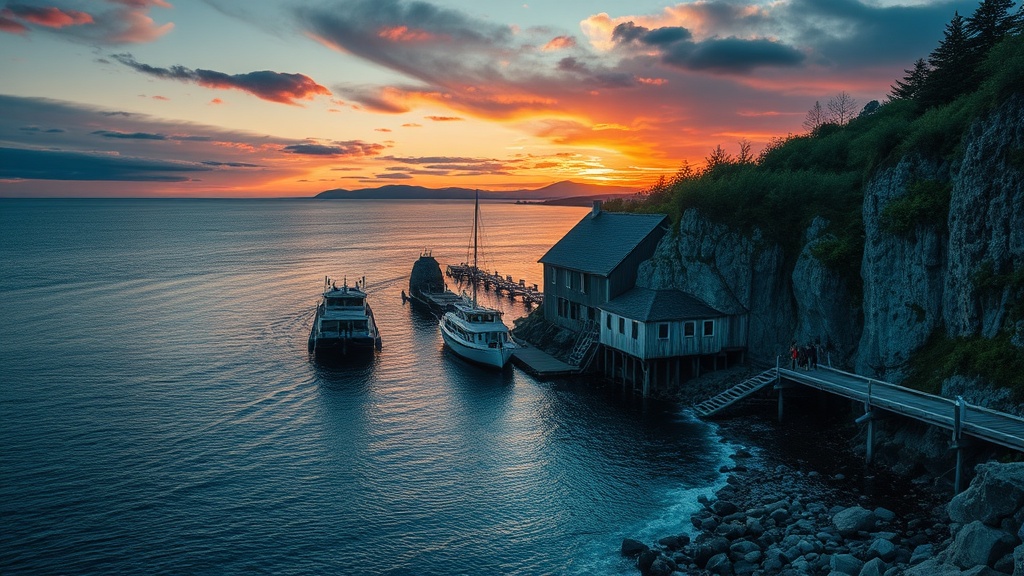
Fishing boats sometimes anchor in the cove. If you're lucky, someone might be cleaning cod or mackerel, and the seagulls will put on a show. No lifeguards, no concession stands, no bathrooms. Just rock, sand, water, and silence. The way the North Shore should be experienced.
What Cultural Experiences in Sept-Îles Go Under the Radar?
The town's Innu heritage and industrial identity create a cultural mix you won't find elsewhere in Quebec. Most visitors miss the authentic experiences—the ones that require asking a local or knowing where to look.
6. Maison de la Culture (and Its Basement)
The Maison de la Culture hosts the obvious stuff—traveling exhibitions, concerts, the occasional comedy show. The real gem is downstairs. The municipal archives occupy the basement, and they're open to anyone with curiosity and patience.
Want to see aerial photographs of Sept-Îles from 1948? They're here. Maps showing how the shoreline has changed? Here too. The staff—mostly volunteers—know where everything lives. The collection includes thousands of photographs from the aluminum smelter construction, the Innu community of Uashat, and the fishing families who settled here before industry arrived.
It's free. Most days, you'll have the place to yourself. The archival photos make for powerful viewing—this town transformed from a scattering of fishing shacks to an industrial center in less than a generation.
7. The Smokehouses of Clarke City
Clarke City—now part of Sept-Îles—was once a separate company town built around a paper mill. The mill closed decades ago, but the smokehouses remain. Local families have been smoking salmon and mackerel here using methods passed down through generations.
You can't exactly walk into a stranger's backyard, but the Quebec Ministry of Forests, Wildlife and Parks sanctions some commercial operations. Look for "saumon fumé" signs along Route 138. The best operations sell from garages or small shops with hand-painted signs.
The salmon—mostly farmed Atlantic these days, with some wild when in season—gets cold-smoked over maple or alder. The texture is silky, the flavor subtle. Buy a whole side for around $25, or just a few slices to eat on the spot. These smokehouses represent the last commercial vestige of Clarke City's independent identity.
Quick Reference: When to Visit What
| Spot | Best Season | Cost | Time Needed |
|---|---|---|---|
| Vieux-Poste | July-August | ~$10 | 2 hours |
| Île Grande Basque | June-September | ~$25 (ferry) | Half day |
| Murals | Year-round | Free | 1-2 hours |
| Chez Sophie | Year-round | ~$15 per person | 1 hour |
| Anse aux Basques | July-August | Free | Half day |
| Maison de la Culture archives | Year-round | Free | 1-3 hours |
| Clarke City smokehouses | May-October | ~$25 per side | 30 minutes |
The pattern? Most outdoor experiences are summer-only—that's the North Shore reality. But the cultural gems—murals, archives, local eateries—persist through the long winter. That said, don't dismiss a November visit to the Maison de la Culture just because you can't catch the ferry to Grande Basque.
Getting Around
You'll need a car. Sept-Îles sprawls—industrial zones, residential neighborhoods, and natural attractions separated by distances that surprise newcomers. The local bus system exists but won't get you to Anse aux Basques or Clarke City.
Rent from Avis or Budget at the airport, or ask your hotel about local options. Drive carefully in winter; snow removal is decent on main roads, but side streets and gravel roads can be treacherous. The light here is different—long summer evenings, brief winter days—and the landscape changes character with the seasons.
Sept-Îles doesn't hand itself over easily. It requires some effort, some asking around, some willingness to turn down unmarked roads. The reward? Places like Anse aux Basques at sunset, when the water turns silver and the only sound is gulls arguing over scraps. Or a perfect poutine in a vinyl booth while Sophie tells you about the blizzard of '93.
The hidden gems are waiting. You've just got to know where to look.