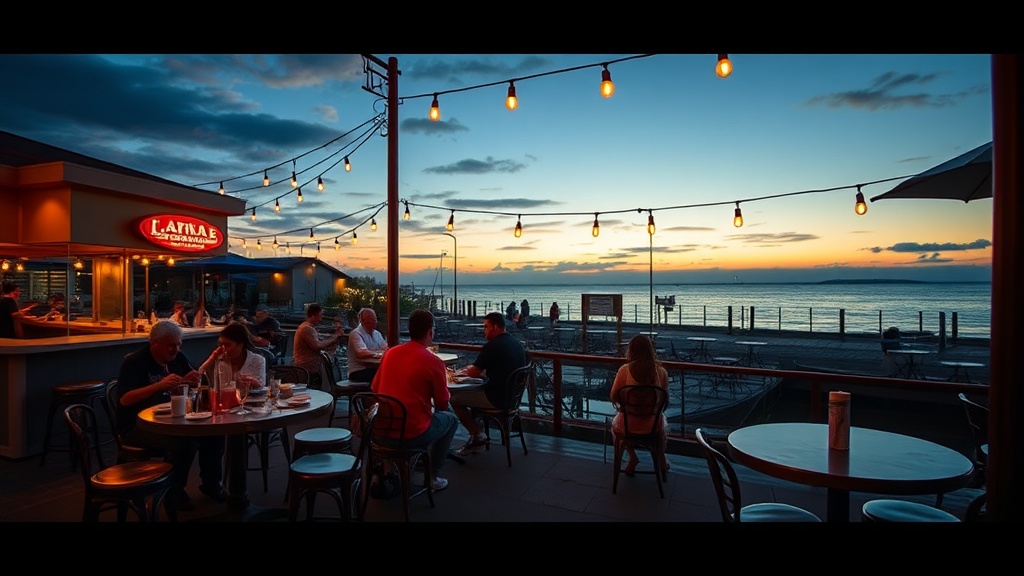
Finding the Best Seafood Spots Along the Gulf Coast

The Gulf of St. Lawrence produces nearly 80% of Canada's total lobster-catching-related revenue, yet most people outside of the North Shore don't realize how much of that value stays right here in our local coastal communities. This guide identifies the top-tier seafood destinations along the coast near Sept-Îles and the surrounding Côte-Nord region. We're looking at where to find the freshest catch, how to spot quality, and which local spots are actually worth your time and money.
Where can I find the freshest lobster in the Sept-Îles region?
You'll find the freshest lobster at the local fish markets and direct-to-consumer docks located in the small coastal villages surrounding Sept-Îles. While many people look for high-end restaurants, the real prize is often found at the small-scale operations where the boats actually dock.
If you're looking for that perfect, sweet meat, you need to be looking for Atlantic lobster (*Homarus americanus*). It's a different beast than the stuff you find in the south. The cold water temperatures in the Gulf make the meat denser and more flavorful. I've noticed that the best time to hit these spots is early in the morning, right when the boats are returning. It's a bit of a ritual—you might be waiting in the cold for twenty minutes, but it's worth it.
Here are a few specific types of establishments you'll encounter:
- Direct Dockside Sales: Often found in smaller outposts near the coast. You're buying directly from the source.
- Specialized Fishmongers: These are the shops in the center of Sept-Îles that maintain strict temperature controls.
- Local Seafood Brasseries: These spots focus on prepared dishes rather than raw product.
Worth noting is that the quality of the lobster depends heavily on the season. If you're visiting in the middle of winter, the availability changes. Always check the official fisheries statistics or local maritime reports to see what's currently in season. It saves you a trip if the harvest is currently closed.
| Seafood Type | Best Season | Best Way to Eat It | Local Availability |
|---|---|---|---|
| Atlantic Lobster | Summer/Fall | Steamed with butter | High (Seasonal) |
| Snow Crab | Late Spring | Cold boiled | High (Seasonal) |
| Atlantic Cod | Year-round | Pan-seared | Very High |
| Scallops | Late Summer | Seared in butter | Moderate |
How much does a seafood meal cost in the Côte-Nord?
A high-quality seafood meal in the Sept-Îles area typically ranges from $35 to $75 CAD per person depending on whether you are ordering a simple fish dish or a premium crab platter.
Pricing can be a bit unpredictable. Because we rely so heavily on the local catch, a sudden change in weather or a shift in the fishery regulations can affect what's available. One week you might find a great deal on cod, and the next, the price of crab has skyrocketed. It's not uncommon to see prices fluctuate based on the daily haul. (Don't be surprised if your server tells you the price is "subject to change" based on the morning's catch.)
If you're on a budget, I suggest looking for the "plat du jour" at local diners. You can often get a hearty fish chowder or a fish-and-chips meal that is much more affordable than the formal dining rooms. It's a way to taste the local flavor without breaking the bank. On the flip side, if you want that massive crab feast, prepare to pay a premium. It's a luxury for a reason.
A quick tip: buying your seafood raw from a market and cooking it yourself is almost always cheaper than eating it in a restaurant. You'll get much more volume for your money. I've done this many times—buying a bag of fresh shrimp and grilling them at a local park or a rental cottage is a game-changer for your wallet.
What are the best ways to identify high-quality seafood?
The most reliable way to identify high-quality seafood is by checking for a clean, salty scent, firm texture, and bright, clear eyes in whole fish.
If it smells "fishy," walk away. Fresh seafood should smell like the ocean—salty and clean. If there is a strong, pungent odor, the product is no longer fresh. This is non-negotiable. I've seen people try to justify a "strong smell" as just being "authentic," but that's a mistake. It's just old fish.
When you're looking at shellfish, there are a few other things to keep in mind:
- Crab Shells: They should feel heavy for their size. If they feel light or hollow, the meat inside has likely diminished.
- Lobster Activity: If you're buying live lobsters, they should be active. A lethargic lobster is a bad sign.
- Fish Eyes: The eyes should be clear and bulging, not sunken or cloudy.
- Gill Color: If the fish is already processed, the gills should be bright red or pink, not brown or grey.
It's also worth checking the local regional maritime advisories if you're planning on buying anything that requires live transport. You want to ensure the stock is healthy and being handled according to standard practices. This ensures you aren't bringing something home that won't survive the trip back to your kitchen.
I've found that the most honest vendors are the ones who are willing to tell you if something isn't at its peak. If a vendor tells you, "The scallops are a bit soft today, maybe try the cod," listen to them. That's a sign of a professional who cares about their reputation. It's a small detail, but it makes a massive difference in your dining experience.
When you're out exploring the coast, don't just stick to the main roads. The best things often happen on the side streets and the little docks where the locals hang out. Whether you're looking for a quick snack or a full-blown feast, the North Shore has a lot to offer if you know where to look. Just remember to keep your eyes peeled for those fresh signs and don't be afraid to ask questions about the daily catch.