Local Markets and Seasonal Flavors to Discover This Season

The Weekly Farmer's Market Selection
Artisanal Cheese and Local Dairy Finds
Freshly Baked Goods from Neighborhood Bakeries
Seasonal Seafood and Coastal Specialties
Are you wondering where to find the freshest produce and most authentic regional flavors right here in Sept-Îles? This guide explores the seasonal availability of local goods, the best places to shop for regional specialties, and how to make the most of the North Shore's unique harvest. We'll look at what's currently in season, where to find high-quality local products, and how to support our local producers.
Where Can I Find Fresh Local Produce in Sept-Îles?
You can find the freshest local produce at the weekly farmers' markets, local grocery cooperatives, and specialized farm stands throughout the Côte-Nord region. While our growing season is shorter than in the south, the quality of what we do produce is hard to beat. It's much better than the wilted greens you might find in a big-box store during the off-season.
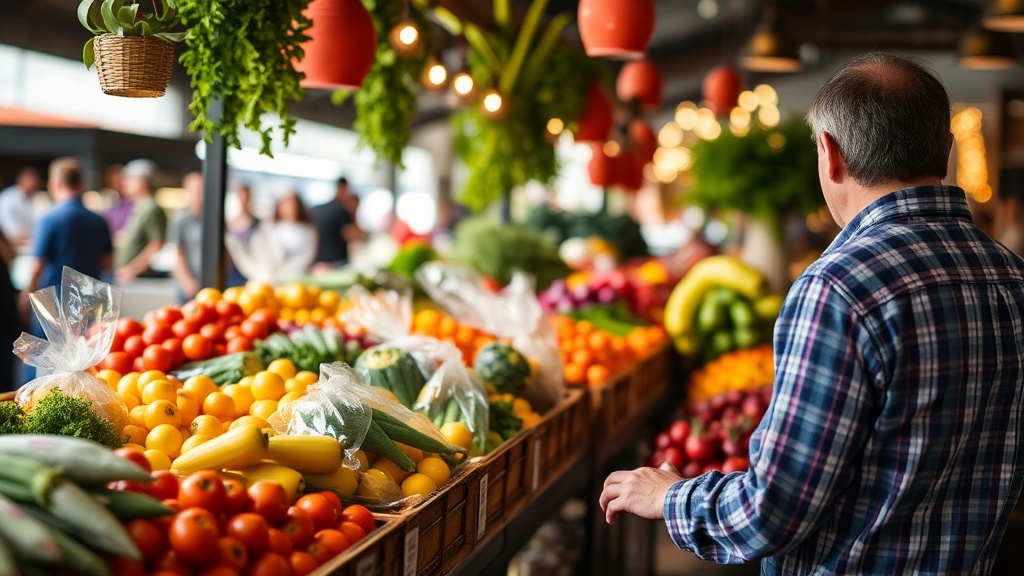
The Marché public de Sept-Îles is the heartbeat of our local food scene. Depending on the month, you'll see everything from hardy root vegetables to seasonal berries. It's a great way to meet the people actually growing your food. You aren't just buying a bag of potatoes; you're buying from someone who lives ten minutes down the road.
For those who need more variety, local grocers often stock items from regional producers. Keep an eye out for products from the MAPAQ (Ministère des Productions Agricoles et de l'Alimentation) approved lists, which ensures you're getting high-quality Quebec-grown goods. You can check the official MAPAQ website to learn more about agricultural standards in our province.
Here is a quick breakdown of what to look for during the different seasons in our part of the world:
| Season | Primary Flavors & Produce | Where to Look |
|---|---|---|
| Spring | Root vegetables, preserved preserves, honey | Local grocers, specialty shops |
| Summer | Berries, leafy greens, fresh herbs | Farmers' markets, roadside stands |
| Autumn | Apples, squash, pumpkins, hearty greens | Farm stands, local markets |
| Winter | Stored roots, smoked meats, seafood | Specialty butchers, fishmongers |
The Importance of Seasonal Eating on the North Shore
Eating seasonally isn't just a trend here—it's a way of life. Because our climate is a bit more rugged, we have to be smart about what we eat and when. During the winter, we rely heavily on preserved goods and high-protein foods. It's a different rhythm than the summer, when everything is bright and fresh. (I personally find that nothing beats a fresh berry in July, even if it's a short window.)
Supporting local producers helps keep our economy moving. When you buy a jar of jam from a local maker, that money stays in the community. It's a simple cycle. We support them, they provide us with great food, and the cycle continues.
What Are the Best Local Food Specialties to Buy?
The best local specialties to buy in our region are fresh seafood, artisanal cheeses, and locally processed meats. Sept-Îles is uniquely positioned to offer some of the best maritime-inspired products in Quebec. If you haven't tried the local seafood lately, you're missing out on a major part of our identity.
Seafood is the obvious choice. Whether it's fresh Atlantic salmon or local shellfish, the quality is high because the source is right here. If you want to verify the standards for seafood-related trade and quality, the Canadian seafood standards are often cited by local distributors. It's worth checking the freshness of your catch every single time you shop.
Beyond the sea, don't sleep on the local honey and maple products. Our forests provide an incredible variety of flavors. A local maple syrup isn't just a sweetener; it's a staple for many of our traditional recipes. It's much more flavorful than the mass-produced stuff you find in the south.
Don't forget the local bakeries. There's something about the way bread is made in a smaller community—it feels more intentional. A good sourdough or a seasonal fruit tart can make a rainy afternoon feel much more special. If you're looking for a place to enjoy these treats, you might enjoy browsing cozy coffee shops and local hangouts in town.
- Local Seafood: Salmon, crab, and various shellfish.
- Artisanal Dairy: Small-batch cheeses and high-quality butter.
- Forest Products: Wild berries, mushrooms, and maple syrup.
- Baked Goods: Fresh breads and seasonal pastries.
How Much Does Local Food Cost Compared to Supermarkets?
Local food prices can be slightly higher than large-scale supermarket chains, but you are paying for quality, freshness, and a smaller carbon footprint. While a head of lettuce from a massive distributor might be cheaper, the nutritional value and flavor of a local product often justify the extra couple of dollars. It's an investment in both your health and your community.
That said, it's not always more expensive. During peak harvest months, many local farmers offer very competitive prices. The trick is to shop when things are in abundance. If you're looking for seasonal deals, keep an eye on the weekly flyers of local independent grocers. They often have better-than-average prices on regional specialties.
It's also worth noting that buying "ugly" produce—items that might not look perfect but are perfectly edible—can save you money. Many local producers sell these items at a discount. It's a great way to reduce waste while keeping your budget in check. (My wife and I always stock up on these during the autumn harvest.)
The cost of food is a recurring topic for many families. If you're looking for more ways to manage your household needs or interact with local governance regarding food security, you might find it helpful to look into municipal services and civic engagement in Sept-Îles. Understanding how local resources are allocated can give you a better sense of the community's direction.
One thing to keep in mind is the difference between "price" and "value." A bag of frozen vegetables from a big-box store might be the lowest price point, but a fresh, locally grown bag of carrots from the market provides a vastly different experience. The difference is noticeable the moment you taste it.
If you want to truly understand the seasonality of our region, you should also look into the natural cycles of the Gulf. The sea dictates much of what we do here. The fishing seasons and the weather patterns aren't just background noise—they are the reason we have the food we have. If you enjoy being near the water, you'll likely appreciate the connection between the coast and the kitchen.
The next time you head out to do your grocery shopping, take a moment to look at the labels. See where that cheese came from. See where that salmon was caught. It's a small way to stay connected to the land and sea that defines us. It makes a big difference in how much you actually enjoy your meals.